
Baby Tooth Extraction
Baby teeth start to come through from the 6th month and are complete at around 3 years of age. From the age of 6 they start to be replaced by permanent teeth.
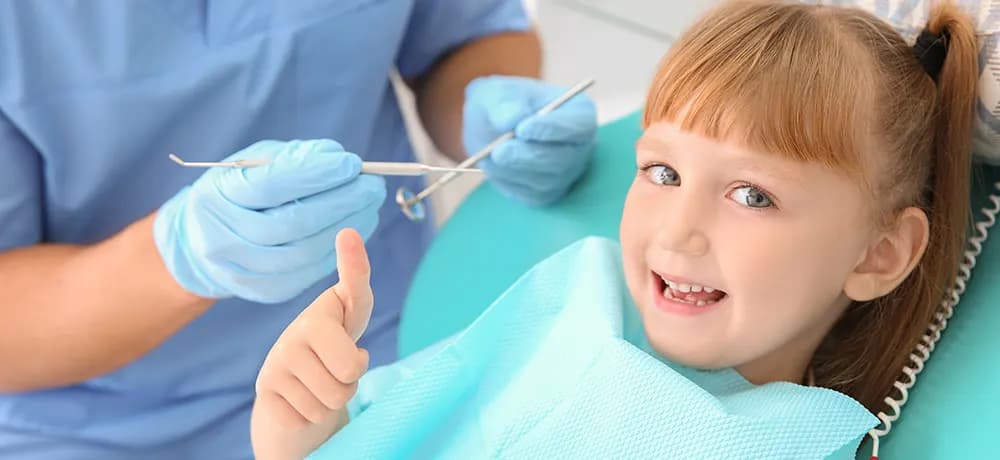
Baby teeth start coming through at around 6 months and are complete by about 3 years of age; from the age of 6 they are gradually replaced by permanent teeth. Baby teeth are important not only for chewing and speech, but also for keeping the space for the permanent teeth coming in beneath them and for guiding jaw development. This is why treatments aimed at saving the tooth are preferred for baby teeth too whenever possible; extraction is done when the tooth cannot be saved or when the dentist considers it necessary.
At our clinic in Teşvikiye, Nişantaşı, treatments for baby teeth are planned taking into account your child's age and cooperation. On this page you can find out when a baby tooth needs to be extracted, pulpotomy treatment aimed at saving the tooth, the steps of the procedure and what to pay attention to afterwards.
Why should baby teeth be saved?
In children, decay progresses faster than in adults, because the enamel of baby teeth is thinner and their structure is weaker. This is why oral care education and regular check-ups are important for baby teeth too. Untreated decay can quickly reach the nerve of the tooth and cause pain and an abscess. Losing a baby tooth early, on the other hand, can cause the neighbouring teeth to drift into the gap, narrow the space for the permanent tooth, and later lead to crowding and jaw development problems.
When is a baby tooth extracted?
- When decay is too advanced for the tooth to be saved, or an abscess does not clear despite treatment
- When the root is fractured as a result of trauma
- When the baby tooth does not fall out although the permanent tooth has come through or is about to (a "double row of teeth")
- Cases the dentist considers necessary for orthodontic reasons
Saving the tooth: pulpotomy
Pulpotomy is a treatment used for baby teeth when decay is very advanced. The nerve tissue in the crown of the tooth that has been affected by decay is removed; the healthy nerve in the roots is preserved, so that the tooth can stay in the mouth and keep working. Treatment is completed by placing a filling or a special crown made for children on the tooth. If all of the nerve tissue is affected, a form of root canal treatment adapted for baby teeth can be used.
Extraction step by step
- Examination and X-ray: The condition of the baby tooth and the permanent tooth beneath it is assessed.
- Preparing the child: The procedure is explained to the child in age-appropriate language so that they feel confident.
- Local anaesthesia: First a topical numbing gel is applied, then local anaesthesia.
- Extraction: The baby tooth is removed gently; with teeth whose roots have largely resorbed, the procedure is very quick.
- Gauze and instructions: Gauze is given, and what to do afterwards is explained to the parent.
After extraction: space maintainers
If a baby tooth was extracted long before the permanent tooth is due to come through, a space maintainer may be needed so that the neighbouring teeth do not drift into the gap. This decision depends on the child's age, the tooth extracted and the development of the permanent tooth.
Aftercare
- Help your child keep biting on the gauze for 20–30 minutes.
- Make sure your child does not eat until the numbness wears off and does not bite their lip or cheek; biting a numb lip is common in children.
- On the first day, avoid hot food and drinks and do not let your child rinse the extraction area.
- Keep brushing the other teeth in the evening.
- If there is prolonged bleeding, increasing swelling or a fever, contact our clinic.
For questions about your child's baby teeth, you can book an examination at our clinic in Nişantaşı or message us on WhatsApp.
Frequently asked questions about Baby Tooth Extraction
Baby teeth fall out anyway, so do they need treatment?
Yes. Baby teeth keep the space for the permanent teeth and guide jaw development. If they are lost early, the neighbouring teeth can drift and the space for the permanent tooth can narrow. Untreated decay can also cause pain and an abscess.
What is a pulpotomy?
It is a treatment in which the affected nerve tissue in the crown of a decayed baby tooth is removed and the healthy nerve in the roots is preserved. This way the tooth stays in the mouth; a filling or a special crown for children is then placed.
Is a space maintainer needed after a baby tooth is extracted?
It is usually needed if the tooth was extracted long before the permanent tooth is due to come through. The decision depends on the child's age, the tooth extracted and the development of the permanent tooth.
Will a baby tooth extraction frighten my child?
The procedure is explained to the child in age-appropriate language, and a topical numbing gel is applied first. Parents being calm and supportive, and not using the dentist as something to scare the child with, helps the child feel confident.